
Originally published in The Coming Home Project’s July 2026 newsletter.
Many veterans and first responders know what it feels like to become exceptionally skilled at survival. We learn how to compartmentalize, push through discomfort, stay mission-focused, and keep moving when others cannot. Those skills serve us well in combat, emergency response, law enforcement, and crisis situations. The challenge is that the same skills that help us survive can sometimes make it difficult to fully process grief, fear, guilt, loss, and trauma when the mission is over.
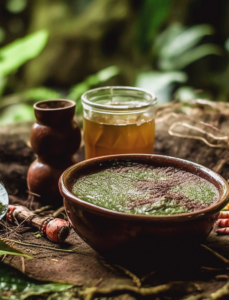
Over the last several years, a growing number of researchers have turned their attention toward psychedelic medicines, including ayahuasca and its primary psychoactive component, DMT. While these medicines have been used for centuries within Indigenous traditions of the Amazon, modern science is now trying to understand why so many people report profound shifts in perspective, emotional healing, and reductions in symptoms related to depression, addiction, and trauma after working with them.
One of the most interesting findings emerging from the research is that these experiences may temporarily loosen rigid patterns of thinking. Many veterans describe living with deeply ingrained beliefs that were forged through difficult experiences: “I should have done more.” “I failed my team.” “Nobody understands me.” “I have to carry this alone.” These narratives often become so familiar that they feel like objective truth. Psychedelic experiences appear to create a temporary state in which those stories can be examined from a different vantage point. Rather than being trapped inside the story, people often report being able to observe it with greater curiosity, compassion, and perspective.
Researchers are also exploring how these substances interact with systems in the brain associated with mood, memory, emotional processing, and self-reflection. DMT appears to work primarily through serotonin-related pathways, though scientists increasingly believe the story is more complex than a single receptor or mechanism. The compounds found in ayahuasca seem to work together in ways that may influence neuroplasticity, emotional flexibility, and the brain’s ability to form new patterns of connection.
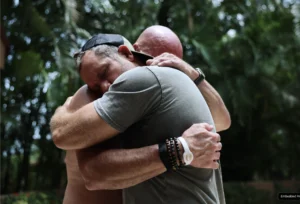
What many operators find most compelling, however, is not necessarily the neuroscience. It is the lived experience. Veterans and first responders frequently describe encountering grief they have carried for decades, reconnecting with a sense of meaning, feeling genuine self-forgiveness, or experiencing a renewed relationship with spirituality. Some speak of reconnecting with fallen teammates. Others report finally allowing themselves to feel emotions that had been locked away behind years of discipline and duty. These experiences can be difficult to quantify in a laboratory, yet they consistently appear in personal accounts across cultures and settings.
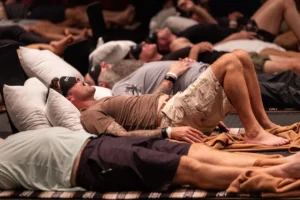
At the same time, it is important to approach this conversation with humility and realism. Psychedelic medicines are not magic bullets. They do not erase trauma, instantly repair relationships, or remove the need for ongoing work. In many cases, the ceremony or medicine experience is only the beginning. The real transformation often occurs afterward through integration — the daily practices of honest reflection, therapy, community, movement, prayer, meditation, journaling, and difficult conversations. Insights alone rarely change a life. Action does.
There are also important safety considerations. Ayahuasca contains compounds that act as MAO inhibitors, which can interact with certain medications and medical conditions. Individuals considering these experiences should work with knowledgeable professionals, carefully review contraindications, and understand that these medicines are not appropriate for everyone. The growing body of research is encouraging, but it also emphasizes the importance of screening, preparation, and responsible use.
Perhaps the most important lesson emerging from both the science and the stories is that healing does not appear to come from the medicine itself. Rather, the medicine may create conditions in which healing becomes possible. It can open a door. It can soften defenses. It can illuminate blind spots. But ultimately, the work belongs to the individual who chooses to walk through that doorway and build a different relationship with themselves, their past, and their future.
For veterans and first responders, that may be the most hopeful message of all. The qualities that made you effective in service — courage, discipline, resilience, commitment, and willingness to face difficult realities — are the very same qualities that support healing. The mission simply changes. Instead of protecting others from danger, the work becomes learning how to come home to yourself.
And for many of us, that may be the hardest and most meaningful mission we will ever undertake.
Keep reading
Get our newsletter. New research and stories from the Tribe, in your inbox. Sign up here.
Want to see how the work happens? How our process works. Ready to take a first step? Tell us about yourself.
Veterans Crisis Line: Dial 988, then press 1 | Text 838255